
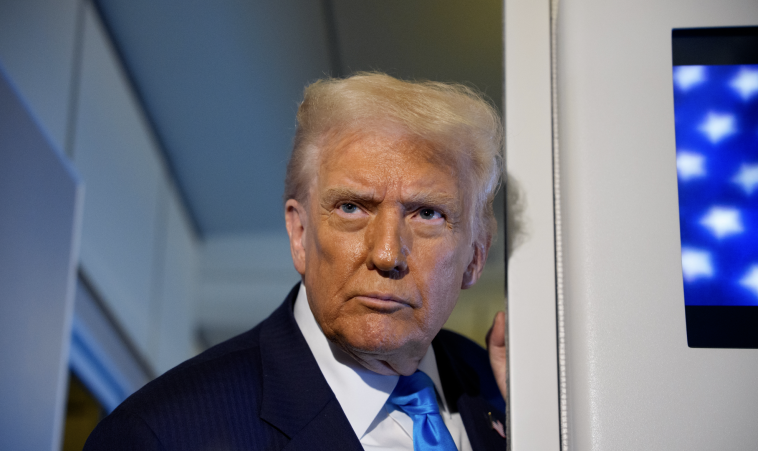
According to a letter issued by Trump’s attorney, Alejandro Brito, the BBC has been accused of producing and airing “false, defamatory, and inflammatory” material that could have influenced voters just days before the election. The letter demands an immediate retraction, public apology, and monetary compensation of $1 billion, warning that failure to comply by Nov. 14, 2025, would trigger a formal lawsuit.
Advertisement
Advertisement
The legal notice asserts that the documentary was designed to damage Trump’s reputation and interfere with the U.S. election process. A spokesperson for Trump’s legal team emphasized that the editing was a deliberate attempt to mislead, noting that such manipulation represents “deception and fake news” aimed at undermining the former president.
Advertisement
In response, a BBC spokesperson confirmed that the network intends to review the letter and issue a direct reply. However, internal BBC communications have already revealed growing acknowledgment of editorial misconduct.
Advertisement
Advertisement
A leaked memo, obtained by The Daily Telegraph, showed that concerns had been raised internally by Michael Prescott, a member of the broadcaster’s editorial advisory committee. The memo criticized the decision-making behind the edited segment and described it as a serious lapse in professional judgment.
Shortly afterward, BBC Chairman Samir Shah sent a formal letter to the UK Parliament’s Culture, Media, and Sport Committee (CMSC) apologizing for the edit. Shah admitted that the presentation of Trump’s speech had created “the impression of a direct call for violent action” and acknowledged that the edit amounted to an “error of judgement.”
Advertisement
Advertisement
The controversy has triggered wider fallout within the network. BBC Director-General Tim Davie and the CEO of News, Deborah Turness, both resigned on Nov. 9, amid what was described as internal turmoil over the handling of U.S. election coverage.
Later, it was discovered that the issue had been considered twice in 2025 by the BBC’s Editorial Guidelines and Standards Committee as part of a larger evaluation of the network’s coverage of American politics. Shah acknowledged, stating that with hindsight, more formal corrective action should have been taken.
The growing scandal reinforces long-standing conservative criticism of Western media institutions accused of harboring bias against Trump and his supporters. Many observers see the BBC’s handling of the footage as evidence of a coordinated effort to shape public perception during a critical moment in the U.S. political calendar.
If pursued, Trump’s $1 billion lawsuit would represent one of the largest defamation claims ever brought against a global media organization—signaling his intent to challenge what he has repeatedly called the “dishonest media establishment” that seeks to distort his record and silence his message.
2 Comments