
Advertisement
Advertisement
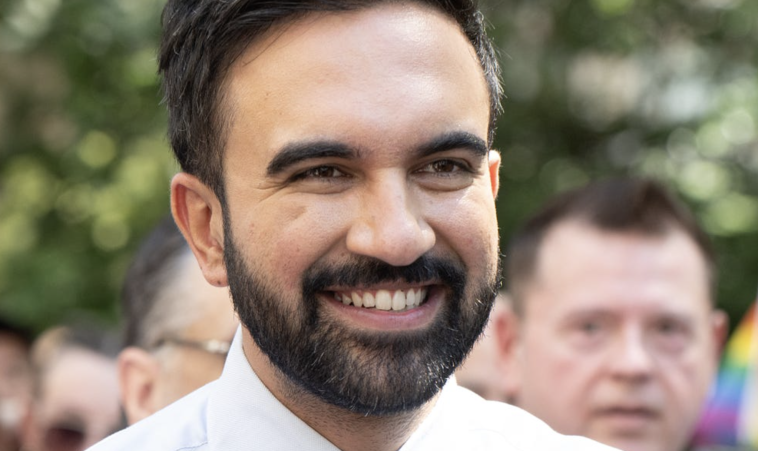
Zohran Mamdani, a 34-year-old self-described democratic socialist, is preparing to take office as New York City’s next mayor amid widespread skepticism about his leadership and economic vision. Political observers have said his razor-thin victory over former Gov. Andrew Cuomo revealed a deeply divided electorate rather than a strong mandate for far-left governance. Mamdani secured just over 50 percent of the vote, narrowly surpassing Cuomo, who ran as an independent and drew significant support from moderates and disillusioned Democrats. Pre-election polling that had predicted a landslide for Mamdani proved drastically overstated, underscoring the growing unease among New Yorkers toward radical policies.
Advertisement
Following the announcement of his victory, Mamdani delivered a speech described by political analysts as confrontational and bitter in tone. Instead of signaling unity, the mayor-elect used his platform to attack both Cuomo and President Donald Trump, prompting concerns about whether he would govern for all New Yorkers or merely for his ideological base.
Advertisement
Advertisement
Observers noted that Mamdani’s comments—particularly his harsh criticism of Trump, who remains the sitting president—were viewed as politically reckless and unpresidential. Rather than expressing gratitude or calling for collaboration, he appeared to use the stage to inflame partisan divisions.
Advertisement
Political strategists characterized the moment as an early test of judgment that Mamdani may have already failed. Critics said that had such remarks come from a Republican, mainstream media outlets would have swiftly condemned them as disrespectful and inflammatory.
Advertisement
Advertisement
Even Democratic insiders have privately acknowledged the limitations of Mamdani’s far-left platform. His campaign promises—including city-run grocery stores, rent freezes, and free public transportation—have been described as largely symbolic, with little chance of implementation under existing state and city frameworks.
Analysts observed that Mamdani has minimal authority over the Metropolitan Transportation Authority (MTA), and the rent stabilization board operates independently of mayoral control. His proposals, while popular among younger socialist activists, are seen as unrealistic in a city facing historic debt, declining tax revenue, and an exodus of businesses and high-income residents.
Advertisement
Advertisement
Despite his narrow victory, Mamdani inherits a city struggling with rising crime, housing instability, and a deteriorating business climate. His critics argue that his hostility toward private enterprise and “tax-the-rich” rhetoric could worsen the city’s economic challenges and accelerate population flight.
Political consultants have also noted that Mamdani’s base—largely composed of younger progressives and foreign-born voters—does not represent the majority of New Yorkers. Exit polling showed that only about one-third of American-born voters supported him, reflecting a widening cultural and economic divide within the city.
Observers say the coming months will determine whether Mamdani can transition from activist to administrator. His success, they believe, will depend on whether he chooses moderation over ideology. New Yorkers, weary of ideological experiments, appear to want competence, stability, and safety—not more political theater.
Conservative commentators have suggested that the election of a self-proclaimed socialist to lead the nation’s largest city may serve as a warning to the rest of the country: when progressive policies are tested in real-world governance, the results often bring division, dysfunction, and decline.

One Comment