
Advertisement
Advertisement
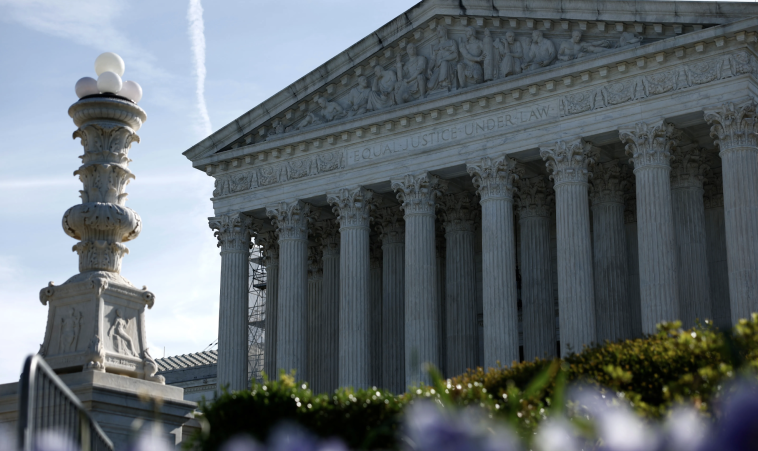
The U.S. Supreme Court has declined to reconsider its 2015 Obergefell v. Hodges decision, which requires all states to issue marriage licenses to same-sex couples. The refusal effectively ends a years-long legal battle involving former Kentucky clerk Kim Davis, who became a national figure for standing by her religious convictions during the controversy. In an unsigned order issued on November 10, the Court rejected the petition in Davis v. Ermold without providing a comment. The decision leaves in place earlier rulings against Davis, including a civil judgment awarding damages to two men who sued after being denied a marriage license from her office in 2015.
Advertisement
Davis, who served as clerk in Rowan County, Kentucky, had refused to sign same-sex marriage licenses following the Obergefell ruling, citing her belief that doing so would violate her faith. At the time, she explained that she was acting “under God’s authority,” and directed the couple to seek a license in another county.
Advertisement
Advertisement
The controversy sparked national debate over the balance between religious liberty and newly redefined marriage laws. Shortly after the Obergefell decision, Kentucky’s then-Governor Steve Beshear instructed all county clerks to comply, regardless of personal convictions. Davis refused, requesting that the state provide an accommodation allowing her not to endorse same-sex unions directly.
Advertisement
While her appeal was pending, the Kentucky legislature enacted a law removing clerks’ names from marriage licenses altogether, effectively resolving the issue going forward. However, legal proceedings continued after the plaintiffs pursued civil damages.
Advertisement
Advertisement
A federal jury later awarded $100,000 in compensatory damages to the plaintiffs, and the U.S. Court of Appeals for the Sixth Circuit upheld that verdict earlier this year. The appellate court also ruled that Davis was not entitled to immunity as a government official, despite her claim that she was exercising constitutionally protected religious freedom.
By declining to hear the case, the Supreme Court has left those lower-court rulings intact. Religious liberty advocates have expressed disappointment, arguing that the decision reinforces a precedent that allows public officials to be penalized for acting according to their conscience.
Advertisement
Advertisement
Kim Davis’s case continues to symbolize the broader clash between faith-based conscience rights and the mandates of judicially imposed social policy. Though her appeals have now been exhausted, her stance has continued to resonate among conservatives who view her refusal not as defiance, but as an act of principled conviction in defense of religious freedom.


5 Comments